Luxury Alcohol Rehab Centers for Alcohol Addiction
Why come to our luxury alcohol rehabilitation center?
At Holistic Sanctuary we never rely on the use of prescription medications for alcoholism and other addictions, especially when the goal is complete healing and transformation, to end addiction and live in full recovery. Hence, he has created a cutting edge method that heals the mind, body, and soul using holistic medicine, alternative medicine, and ancient plant medicine. The alternative treatment method, created by Johnny Tabaie, is known as the Pouyan Method. It concentrates on discovering the primary cause of alcoholism, depression, PTSD, addiction and supporting you to achieve a lifetime of wholeness, happiness, and to real be able to thrive in life. The method relies 100% on natural methods, not on outdated, less efficient, cookie-cutter recovery programs that never truly and completely heal.
Johnny developed the system incorporating stem cells, hyperbaric oxygen, ozone, Ayahuasca and Ibogaine to help the body heal at the cellular level. Simultaneously, the process reduces the horrific and dangers of withdrawal symptoms often experienced by clients trying to stop their excessive intake of alcohol.
Experience Immediate Results With Our Luxury Alcohol Treatment
At luxury alcohol rehab facilities like Holistic Sanctuary, once you complete the Alcohol Detox Program, you will instantly feel closer to recovery. The craving for alcohol will reduce as well.
Johnny Tabaie believes that the healing the mind, body, soul and elimination of damage caused alcohol use and abuse. The method is through healing with plant medicine and superfoods prepared for such treatment allows you to have a focused and sound mind while identifying the deep causes of your dependencies. Most of the time, issues from childhood, life-related stress, or relationships cause the alcoholism and affect durable recovery.
Regardless of the cause, the healing sessions at luxury rehabs like Holistic Sanctuary are designed to help patients conquer their fears and go forward to complete recovery from drugs and alcohol abuse. Yogi, life coaches, psychologists, and alternative medicine practitioners in luxury addiction treatment centers like Holistic Sanctuary guide the patient for understanding the deep roots of their dependency, for lifetime recovery.
The Alcohol Drug Rehabs available at Holistic Sanctuary is unmatched because of the extensive work and one on one sessions. We do not place you in a typical one size fits all rehab program to see if you will recover. Instead, we will do everything we can first to heal your brain and finish with an education to help you learn how to live a life free from alcoholism. The team of professionals from various areas of expertise will assess your case, check the medical history, and the previous rehab programs to make a clear image of your case. Afterward, they will create and run an individualized treatment plan, with much consideration to your particularities, personality, and even personal values.
The schedules are often balanced out with holistic activities that help the body and mind relax at luxury clinics. Many luxury rehab centers provide access to the spa, gym, and therapeutic massages, and Holistic Sanctuary doesn’t make an exception. It has been revealed that relaxed and energized patients are more open to receiving positive thoughts about their recovery. The results are impressive even for the medical professionals who continue to believe that addiction is permanent. Even at traditional luxury alcohol rehabs, a dependency is a chronic disease, so the patient only learns how to deal with it for the rest of his life. It’s not the case at Holistic Sanctuary, where the rehab treatment aims for complete and long-lasting recovery.
To allow you to see the changes that have occurred after going through our programs, we have a final brain scan done on all our patients.
Permanently End Your Addiction Now and Regain Your Life!
Call Now (310)-601-7805
When the latest brain scan is placed alongside the one taken at the onset of the program at Holistic Sanctuary, the difference is clear for all. The brain is most affected by alcohol abuse, but it’s restored to its normal functions once the rehab program is completed at our mental health treatment center. Additionally, the body has no side effects from our excellent life-changing treatment at one of the most prestigious luxury rehab centers that Holistic Sanctuary truly is.
As the changes to the brain take time, luxury rehabs like ours provide only inpatient treatment. For the profound changes to occur, the patient has to focus exclusively on the treatment, and our rehab luxury treatment helps the client within his efforts.
Finally, Johnny Tabaie has seen time after time with outdated model drug and alcohol rehab centers have a low success rate, and that’s the main reason he created the luxury clinic Holistic Sanctuary. If you feel our Luxury Alcohol Rehab may be right for you, please call us to learn how to enroll.
Safe Alcohol Detox & Comprehensive Addiction Treatment
HOLISTIC MEDICINE-SACRED MEDICINE-INTEGRATIVE MEDICINE APPROACH
Look at what our rehab transformation offers. No groups, no meetings, just real powerful holistic treatments to transform you or your loved one.

Before and After

Before and After
LUXURY ALCOHOL REHAB
RELAPSE PREVENTION PLAN
Why Holistic Sanctuary is one of the Best Luxury Rehab Centers for Alcoholism and Addiction
We like to be discreet, so we only take in 3-5 patients at a time, which leads to a strong sense of community and a low turnover. You’ll quickly form friendships with others and receive plenty of one-on-one care from our team. The services at our luxury rehabilitation facility are tailored to your needs, and highly trained wellness professionals will closely monitor your progress at every step. As a whole, we look at your life, taking every aspect of your lived experience into account and treating causes of your problems rather than just the symptoms. We’re different than luxury rehabs as we specialize in treating co-occurring mental health conditions and unresolved trauma, causing addictions and mental illnesses. We employ a variety of alternative, powerful, effective methods to heal you in every way holistically.
A Day at Holistic Sanctuary
- Daily Massage
- Daily Yoga
- Daily Reiki
- Daily Colonics liver detox, parasite and candida detox
- Daily Meditation guided by kundalini yogi
- Daily HBOT pure oxygen infusions
- Plant Medicine
- Sacred Medicine
- Daily Amino acid IV drips/ NAD/ Gaba Repair/ Myers
- Cocktail over 5 hours per day of IV drips!
- Mitochondria Repair Protocol (Proprietary- IV Drips HBOT Herbal Superfoods)
- Stem Cell Activation Protocol (Treatment Center Proprietary- HBOT, IV Drips-)
- Total Liver Detox Protocol (Proprietary Green Coffee Enemas, Super Herbs and Super Foods)
- Parasite Cleanse (Proprietary- Super foods and Super Herbs, Alkaline Herbs & Diet)
- Spiritual Awakening/Pineal Gland, Outer Body Experience (Ancient Medicine Science, DMT Ayahuasca, Ibogaine, Iboga)
- Heavy Metal Cleanse Chelation Cellular Detoxification Cleanse (Proprietary IV Drip)
- Chakra Re-balancing (Drug Rehab Proprietary Reiki, Energy Work)
- Motivational Counseling (non-punitive)
- Access to GYM/Fitness 1 hour of cardio and gym time per day
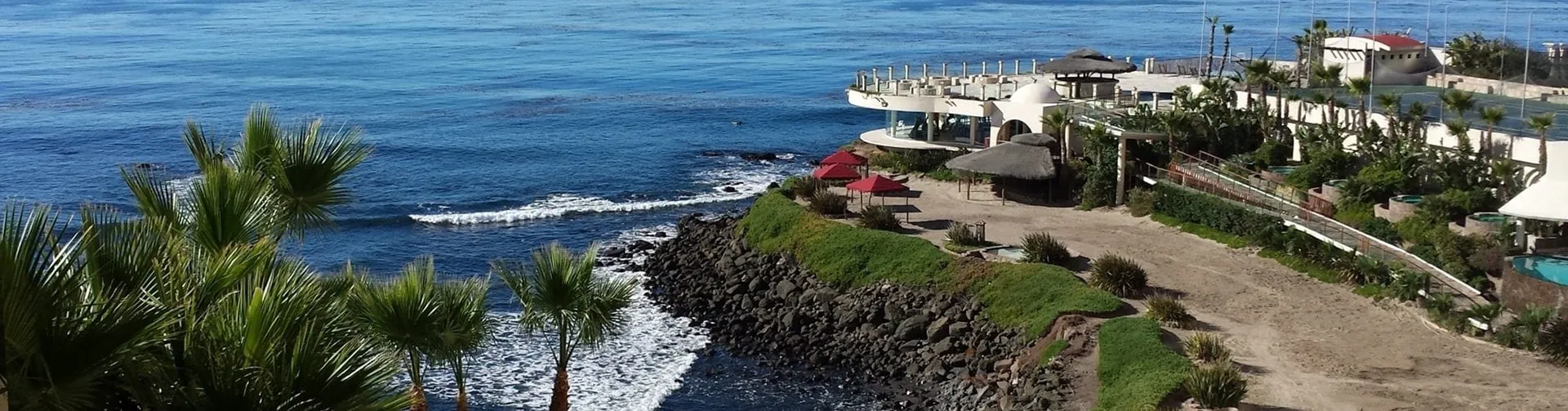
- Beachfront Amenities
Residential Alcohol and Drug Rehab:
The Most Effective Form of Treatment
GET HELP WITH MENTAL ALCOHOL ADDICTION!
Call Now! (310)-601-7805
How Addiction is Treated at Holistic Sanctuary
Supervised Alcohol Detox
If you’re physically dependent on alcohol, your first step will likely natural detox. Not everyone requires this phase of treatment — this will be determined during an initial assessment before starting your treatment plan.
The first phase of your treatment can be challenging as your body withdraws from the ever-present levels of alcohol it’s become accustomed to and gets used to functioning without it. But our caring and compassionate team will be right by your side, helping you feel supported and stay positive all the way. We believe there’s no upside to associating pain with addiction recovery, so we do all we can to keep you as comfortable as possible throughout the entire rehab treatment.
We have a comprehensive medical detox facility onsite, so you can complete all stages of addiction treatment in one location and easily transition from detox to therapy. Our center is fully equipped with modern medical technology, and our medical staff is available at all hour
Treatment for Alcohol Addiction
After detox, you’ll move on to residential addiction treatment, where you’ll stay in comfortable and stylish private accommodation while working through intensive daily rehab treatment. In this stage, we’ll focus on the underlying causes of your addiction. We do this using our unique Twin Pillars approach. The first pillar consists of a combination of cognitive-behavioral therapy (CBT) and mindfulness-based cognitive behavioral therapy (MCBT) and a secular 12-Step program that provides valuable peer discussion and social support.
We provide you with essential tools that put an end to harmful patterns and encourage self-sufficiency. You’ll develop new positive and constructive behaviors, proving that these are far more fulfilling and deeply rewarding than the destructive cycle of addiction. And although addiction can feel isolating, we’ll prove to you that you’re not alone in your struggle — through shared activities and healthy communication, you’ll build a recovery community that will support you well beyond your rehab treatment.
Alternative and Holistic Wellness Therapy
We Offer More Holistic Therapies in our Treatment Method Than Any Other Facility on Earth to Treat, reverse, and Heal Addiction (See Below The Platinum Package)
- PRP Plasma Therapy
- Stem Cell Therapy
- Adult Cells Umbilical Cord
- Stem Cell Therapy
- Bone Marrow Stem Cells
- Immune Booster IV drips
- Growth Factor Cell Treatment
- Live Cells Treatment
- Fresh Cell Therapy
- Thymus Gland Repair Treatment- Unique Revolutionary Proprietary
- NK Natural Cancer Killer Cells “Cancer/Prevention” (up to 8 rounds) Ozone Therapy (IV Ozone, Ozone Blood Purification Cleanse) 5-10 sessions
- Exosome Cell Therapy RNA DNA Repair IV injection
- Holistic Biological Dentistry- Replacement/ “Removal of Toxic Dental Work and Mercury Fillings”
- IV Drip Alkalinity Rebalance Acid Flush (Proprietary IV drip)
- Endocrine System Repair Protocol (Addiction Proprietary IV Drip)
- Neurogenesis and Neuroplasticity Brain Repair Protocol (Proprietary Ancient Entheogenic Medicine)
- DNA Repair Protocol (Stem Cells- Exosome IV’s- Immune Cells) -Unique Revolutionary Proprietary)
- Mitochondria Repair Protocol (Proprietary)
- Stem Cell Activation Protocol (Proprietary)
- Total Liver Detox Protocol (Proprietary)
- Parasite Cleanse (Proprietary)
- Spiritual Awakening, Outer Body Experience (Proprietary Ancient Medicine Science)
- Pineal Gland – DMT – God Molecule Activation (Entheogenic Medicine Proprietary)
- Cellular Detoxification Cleanse (Proprietary IV Drip)
- Chakra Re-balancing (Proprietary Energy Work)
- Motivational Counseling (non-punitive)
- Access to GYM/Fitness 1 hour of cardio and gym time per day
- Beachfront Amenities
Co-occurring Alcoholism and Mental Illness
We offer specialized treatment for co-occurring alcoholism and mental concerns such as trauma, depression, and anxiety. Addiction and mental illness often go hand in hand — not only do many people who struggle with mental disorders self-medicate with substances, but substance abuse often creates or exacerbates these issues. Studies show that it’s vital to address any accompanying mental health issues to prevent them from affecting recovery later on.
Relapse Prevention and Aftercare
Alcohol Rehab – The Perfect Place for Personal Growth
Inpatient luxury rehab centers like Holistic Sanctuary, provide the most effective treatment for treating mental health disorders for several reasons. They ensure a more holistic treatment experience that addresses the deeper causes and far-reaching effects of your condition rather than just its symptoms. The rehab treatment allows you to heal more fully and for a very long time. At residential luxury rehab centers such as Holistic Sanctuary, you’ll find sustainable treatment for your problems and start to form habits that will help you maintain the sense of balance and well-being you cultivated during treatmen