Ibogaine Treatment Centers: How To Choose The Safest, Licensed, Iboga Center in the World
Ibogaine Treatment Centers, Toxic Free Zone: Holistic Sanctuary
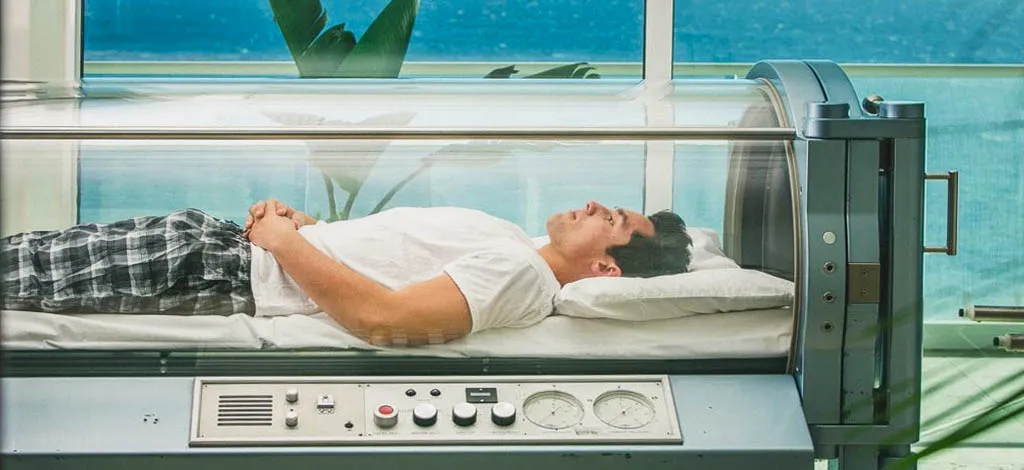
This is a toxic-free zone, no war stories allowed or permitted, we are a holistic healing center, not a typical detox center, or conventional 12-step rehab for drug and alcohol abuse, or even a 7-day Ibogaine Center. Not only do we not allow patients to sit around and talk about war stories, but there is no time for that. Clients will be too busy hooked up to a 3-5-hour IV drip filled with vitamins, amino acids, and NAD+. At the same time, you get a soothing and healing deep tissue massage, followed by a powerful Reiki session, then you are whisked to the HBOT machine that infuses you with 100% pure oxygen.
The HBOT treatment kills pathogens and anaerobic bacteria, at the same time helps repair brain cells by activating stem cell production, thus increasing healing by over 900%. You will be receiving daily NAD+ Iv drips/ Amino Acid Iv/ Glutathione Iv, daily massage, and Reiki healing. Also, you will receive daily yoga, mindfulness, and Meditation, daily cardio at the gym, and daily carbon infrared sauna sessions. You will be doing this regimen for 20-60 days to help your immune system, nervous system, and endocrine system get strong and ready for the safest, most effective ibogaine treatment in Mexico and worldwide.
Most of our patients do not suffer from grey day, and our guests do not experience horrific purging, nor do our clients have bad trips with our Ibogaine Treatment. Also, there will be 5 staff at any given time to help support you, you will not feel alone, every one of our staff and healers speaks English and are nonjudgmental. During ibogaine treatment, an emergency room doctor will be available to handle any emergencies. Also main important thing is that you will feel accepted and loved, not treated like a number, while on your journey here.
It’s essential to understand why we are distinct and why our Iboga Retreat is renowned worldwide. Upon arrival we do Not start the Ibogaine treatment within the first or second day, like every clinic out there. In our 10+ years of professional experience, we’ve seen this will not help and can be dangerous! Ibogaine is not a game or a toy, and not something you can play around with, even if your goal is to cure opioid addiction honestly. Also, we do not offer a 5-day or 7-day so-called ibogaine cure “quick fix.” Ibogaine is NOT a cure, it’s an effective tool and powerful healing medicine.
Most 7-day ibogaine treatments are “Ineffective”—not to mention dangerous and irresponsible. Why, you ask? Because most, if not all, heroin and opiates people are abusing and buying from the streets are laced with fentanyl. Fentanyl takes 10 days to come out of the system to make ibogaine treatment safe. If you are at risk and have compromised health, this can be dangerous, not to mention deadly. Also, most people who leave ibogaine treatment centers suffer with withdrawal symptoms for a minimum of 2 weeks, are unable to sleep, this is NOT normal, but they tell you it is.
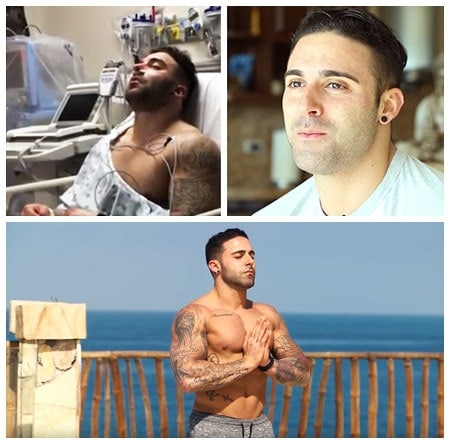
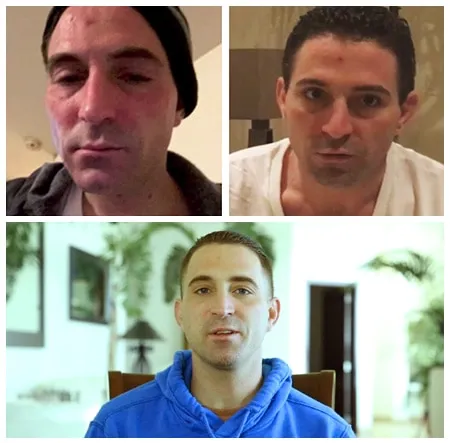
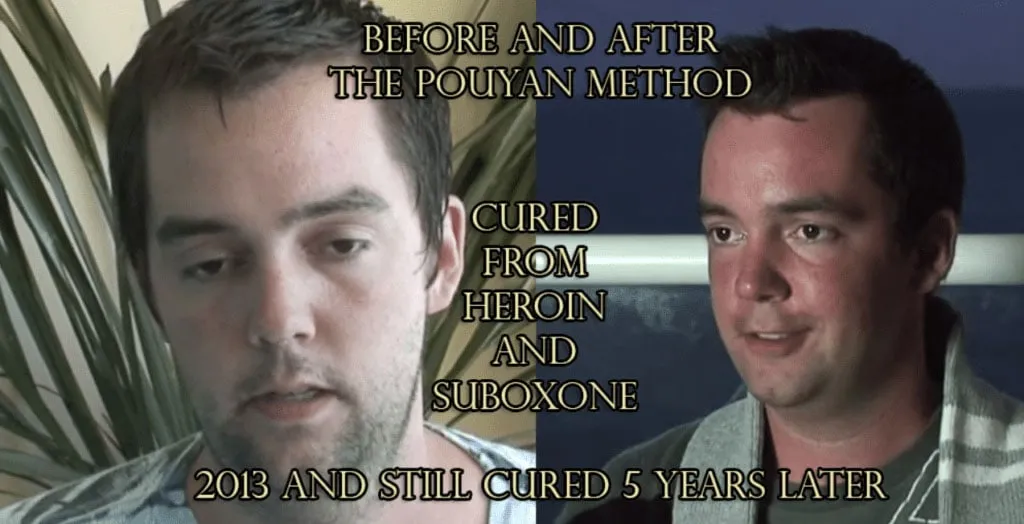
Ibogaine Treatment: Holistic Sanctuary Clients Before and After
Why Choose Iboga and Ibogaine Treatment Over Conventional Drug Rehabs or Detox Centers
 Research has proven the fact that a single dose of Ibogaine can significantly end the withdrawal symptoms as well as cravings for drugs. Conventional methods are simply incapable of providing anything Close. Suboxone causes Anhedonia, which is the inability to experience pleasure from activities that used to be enjoyable, such as exercise, hobbies, or music. Conventional treatment centers switched from Methadone maintenance to Suboxone maintenance, making it impossible to alleviate Anhedonia. Once you’re on Suboxone, buckle up. You are on it for life—a downhill ride, that is. Ibogaine is said to alleviate anhedonia during the treatment process entirely and will not come back. No conventional method is capable of ending cravings as fast as Ibogaine therapy. This is the primary reason of relapse and the low success rate of conventional rehab methods of around 3-10% percent. Ibogaine HCL is able to alleviate withdrawal symptoms from the very first dose, and within 2-4 hours withdrawals are Gone, YES, for Good! Ibogaine is a natural compound that is extracted from plant root sources, unlike various medications like Suboxone, which are highly addictive and toxic and are made in a lab. It is a known fact that the cost of rehabilitation programs in the United States and elsewhere can add up to a huge amount due to the ineffectiveness and repeat visits, while the best Ibogaine Treatment incorporated with the Pouyan Method is a one-time treatment that will cure addiction cold. Due to the non-addictive nature of Ibogaine, there is no potential for abuse.
We treat the whole person by healing the mind, body, and soul.
These Treatments Are All Included And Are- ALL ONE-ON-ONE!
Johnny Tabaie, Founder and Inventor of the Safest Ibogaine Treatment Protocol with Iboga
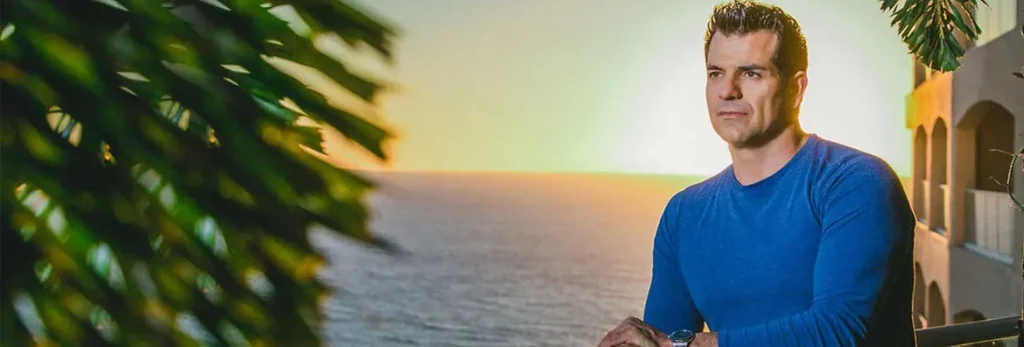
It is important to administer ibogaine treatment in conjunction with holistic therapies and followed by intensive lifestyle changes and holistic mindfulness, Johnny says, this is very important in order to maximize potential outcomes for addicts. His luxury healing retreat offers patients a comprehensive program of holistic treatments and alternative therapies that can be broken into “mind -body- soul”. Therapies designed to support the whole person and their mental health, treatments like life coaching, guided meditation, Reiki, pranic healing, ‘biochemistry’ therapies including ozone therapy, spirit molecules including ibogaine and ayahuasca treatments. Plus NON GMO diet and ancient superfoods, 80% raw organic diet. Not to forget the only facility in the world that offers ibogaine and includes HBOT hyperbaric oxygen treatment. The combination of addressing the body and the mind are key to total and long-term transformation.
Johnny Tabaie
The night I did my Ibogaine treatment was intense and powerful. “It was like 20 years of healing and therapy in one night. I never felt anything like that in my life. It was an experience I will never forget.
Ibogaine was one of many significant insights into a real-world healing protocol that Johnny developed during recovery. Healing has to be total healing in any addiction treatment protocol. Others he spoke to about Ibogaine therapy reported similar remarkable transformations from the plant and immediately changed their lives. But Ibogaine wasn’t enough to make it a real treatment cure for addiction by itself. There had to be diet changes and lifestyle changes. Johnny refused to look in the mirror one more time and say he was powerless and medications were part of his life.
Johnny quickly realized that Ibogaine treatment is a powerhouse for healing addiction – this is true – but when it’s combined with holistic treatments that heal and prepare you on a cellular level, there can only be total recovery from addiction. The Best Ibogaine Treatment had to be one that considered the whole person, Mind, Body and Spirit. Not Just Ibogaine…..
Johnny continued adding more alternative health strategies to create The Pouyan Method. Treatments such as HBOT hyperbaric oxygen treatments, Reiki and Pranic healing and the removal of amalgam fillings (mercury) from his teeth. He stopped eating GMOs, stopped getting toxic, poisonous vaccines, and STOPPED going to the doctors that just wanted to give him more prescription drugs! Finally, the Pouyan Method was developed, and Johnny Tabaie proposed offering these therapies worldwide. Holistic Sanctuary was invented, and people come from the entire United States and all over the world to get healed and cured at this center in record numbers.
We combine Ibogaine treatments with a pretreatment protocol a bullet train to healing, not to mention safer!
- Holistic therapy that would reset the brain to a pre-addicted state
- Non-addictive and nontoxic treatment
- Reiki, Yoga, Massage, HBOT, Amino acid drips, NAD Drip, Ozone Infusions
- No labels of being an addict forever
- No group meetings
- No medications
- Healing on the cellular level
- Treatment that reverses damage to the body from alcohol and drugs
- Real therapy for reversing negative thinking and getting on track psychologically
- Inspiration and Empowerment Coaching
- Cold-pressed raw organic juice cleanses
- Ibogaine Aftercare referral
- Most, if not all, ibogaine clinics offer Ibogaine as their primary modality. At Holistic Sanctuary, we offer Stem Cell Activation Therapy, NAD+ and Amino Acid IV Drips, Glutathione IV Drips, Reiki Healing, Massage Therapy, Carbon Saunas, Hyperbaric Therapy HBOT, Colononics, Green Coffee Enemas, Salt Baths, Motivational Therapy, Yoga, and Meditation. We have healing down to a science.
- Holistic Sanctuary is the ONLY Ibogaine Treatment in the world that offers 7-9 hours of private Holistic one-on-one therapy per day! You are set up on a schedule from 7am – 7pm, non stop treatments, not walk in a clinic take Ibogaine and hope for the best.
- Holistic Sanctuary is the only Luxury Rehab and Ibogaine clinic that prepares the patients for minimum of 10+ days to ensure the safest outcome! We know how powerful Ibogaine is and it can knock you off your feet and have you bedridden for 2-5 days! Not at our center, No Way!
- We are the only Ibogaine Drug Treatment Center in the world that offers Brain Scans with Before and After and can show how we reverse brain damage! Others only claim it; we do it! (In The Platinum Package)
- Ibogaine safety should always be considered. Are medical staff ready to help in an emergency? Withdrawals lead to death when Methadone Benzos and other harsh drugs are used in conventional rehab programs in the United States, and if someone is still using addictive opiates, medical personnel must be on staff 24/7. This is another reason why Johnny Tabaie added 24/7 medical personnel to the Pouyan Method at Holistic Sanctuary. Your safety is always our concern!
Aftercare Ibogaine Treatment Plan
Some patients have no foundation and may need continued aftercare. Some clients have been in the grips of addiction for so long they need a safe place to learn new habits for sobriety also create healthy boundaries. This may take a few months, but it is known by most people that it would take up to a year to learn new habits and create new patterns. We will make sure, before you finish our program, an aftercare plan is set in motion for you. The Ibogaine Aftercare plan allows you access the help that you need to avoid relapses after leaving. Since you will rejoin the community that you came from when joining our rehab, you will most likely face people, situations and challenges that may have led you to abuse heroin. Unlike other heroin drug rehabs, we ensure that you receive ongoing care even after leaving our rehab.
Posted on YelpVerified I'd give it 11 stars if I could. This week I will celebrate 10 years clean thanks to Johnny Tabaie and his staff at the Holistic Sanctuary. I dreamed of what it was that I needed and I just couldn't believe it actually already existed when I found and connected with The Holistic Sanctuary online. I tried everything else and I knew what I needed , but Johnny held the container and had it so perfected because that's what he does , he's 1000% committed to doing it correctly and cutting no corners. I am available anytime to share more personally my experience with The Holistic Sanctuary. I am Forever Grateful to Johnny TabaiePosted on YelpVerified I arrived at Johnnys clinic in need of mental, physical and spiritual help. My poor mental health had let me down a rabbit hole throughout my teens and early twenties and I had exhausted every available source of bettering myself, ie, traditional therapy, medication, healthy routines etc etc. I was at rock bottom at the age of 23! And I thank god everyday I managed to find Johnnys clinic through friends who had gone there and had a life changing experience. I was there for an over a month and it was not easy! Being away from my life, sitting with the reality of where my decisions had taken me was extremely painful but I trusted the process and knew it would all pay off. Johnny tailors a specific day to day schedule for every guest at the sanctuary. This includes, yoga, massages, creative activities, and of course the plant medicine! This is all taking place in one of the most beautiful parts of the world, you're healed by the sanctuary but also by the nature surrounding you. The team looking after you are angels! There is someone to help and support you 24/7, you always feel safe and cared for in the sanctuary. The facilities themselves are nothing by 5* quality. Everyone has their own privacy so you can go through your process in a very undisturbed way. The plant medicine is the apex of the time spent at the sanctuary, and after 8 years I still speak about it magic, life changing effects. It operates on a spiritual and neurological level, it's impossible to describe the process but when you're done, you come out as the best possible version of yourself. My life continues only to improve since my life at the Sanctuary, I came in too scared and anxious to even think about tomorrow and today I'm working in one of the top Universities in the world and running my own business. I owe Johnny, the team and the sanctuary so much to be where I am today! Thank you!Posted on YelpVerified If you are looking for an actual life changing experience and not just 28 days of some program that has a 20% success rate- this is YOUR place! A full service, luxury wellness center catered to YOUR specific needs! This is not a one size fits all program! If you're looking to get healthy both mentally and physically and rid yourself of toxic things please reach out to Johnny. Johnny and his staff run a world class facility and aid in helping people achieve the life they always wanted but could never obtain through traditional treatment centers. This place is a must for anyone that is struggling or anyone at the end of their rope with traditional treatment facilitiesPosted on YelpVerified A very long search for a treatment center that would actually deliver real results for a family member ended here. I called the number and had a long and informative and candid discussion with Johnny, the owner. I feel like I was given the education I needed in the phone call to understand the approach they take here and how it is above and beyond what is offered elsewhere. Johnny's level pf enthusiasm and commitment is awe-inspiring. We had been down the road of conventional approaches before and they simply never stuck, or stuck but only for so long. I have always been a holistic minded person so concept of addressing things on ALL levels was not new but I really didn't understand the brain chemistry altering capabilities some of these treatments have. All I can say is, 6 months later, I thank God we discovered this place for my family member. He arrived at the Sanctuary in critical need of healing and came out, after 3 months, a totally reconnected person, healthy, ready to rebuild his life and spiritually alive. If you are considering this as an option I cannot recommend it enough. The staff was great at communicating with me, gentle, kind and compassionate. I wish this sort of treatment was more accessible to the masses. It is so very needed. Thank you Johnny for bringing this program of healing to the world.Posted on YelpVerified I went to this place about 4 years ago and I have to say that it is the real deal. I was a heroin addict for 10 years and after 15 rehabs and countless detox's I decided to give this place a try. Upon arrival I felt nothing but love and was treated like a human being not an object. I left that place truly healed. My family didn't even recognize me when I came back home. The food, the amenities, the staff are second to none. There is no place on earth like it. Since leaving, I have remarried the love of my life, and had two more beautiful girls. My life has never been better and that is all thanks to Johnny and the Holistic SanctuaryPosted on YelpVerified I'm not going to lie, staying here for 2 months and living a totally healthy lifestyle was the hardest thing I've ever had to do but they told me that when I got there. I was well take care of and given the best of the best to get me through what would have been a horrendous detox if I were anywhere else. I felt uncomfortable and sick sometimes but nothing compared to what it could have been. They keep you stable and constantly check your vitals as well as give you a chart to fill out so they can determine how you are feeling at all times. By the end of it all the staff is like your family and you your past is in the rear view mirror. I didn't know if I could do it at first but every time I wanted to throw in the towel I was given a talk they made me change my mind. 2 months of hard work for an eternity of happiness. If your life is in shambles and you're considering it then do it. Stop being in denial and get your mind body and soul back.. break the cycle and get out of the loophole. I know it seems impossible but it's not and I'm proof of that. If you commit yourself and do what they say the. You will succeed there is no ifs ands or buts.Posted on YelpVerified My family and I will forever be grateful to the holistic sanctuary for giving my son a second chance at life. In 2020 my son had concerns about his health. He had numerous auto immune issues, neurological symptoms that were affecting his day to day life and as a result began to struggle with addiction. After months of being pushed through the medical system he was told that there wasn't much more that could be done for him. This left us all feeling helpless and defeated. His symptoms grew more complex and debilitating to the point that he wanted to end his life. Our world crumbled! As painful as it was to hear and process my sons feelings, I have always walked with faith in God and I trusted and believed that it was NOT my sons destiny In between very discouraging doctor appointments he was continuously searching for alternate healing practices. This eventually led him to discovering the sanctuary. All I can say is what a blessing! Johnny and his team offered undivided support, care, compassion and patience in the 4 months of my sons stay at the sanctuary. Through their holistic therapies and sacred plant medicines my sons healing began and so did a transformation of mind, body and soul. Johnnys support and keeping the family updated throughout the 4 month period helped us regain hope and trust in humanity. He is a caring, compassionate human being with a passion, knowledge and gift to heal. Although the journey for my son has been a difficult one, today he is a walking MIRACLE. He's a testimony that with faith, perseverance, and trust anything is possible. "Trust, let go, and surrender" is johnnys motto Thank you to Johnny and the team at the holistic sanctuary. You are angels on earth. I will forever hold you dear to my heart for transforming my son to the best version of himself.Posted on YelpVerified There aren't enough words to express how blessed and grateful my family and I are to have discovered the Holistic Sanctuary for my brothers healing journey. Living in Canada, we were told there was nothing else that could be done to help him get well. As a family, we felt defeated and hopeless with our healthcare system. We started to explore some alternative therapies in the states, which led us to finding the Holistic Sanctuary. I thoroughly read about everything this place has to offer and instantly felt hopeful. Within minutes of an email inquiry, Johnny reached out to me personally and explained his method and what the sanctuary is all about. His energetic passion about wellness and the mind, body and soul connection was so uplifting and comforting, I knew in my heart that my brother needed to go. Given my brothers complexities, he stayed for a total of four months. These four months were no doubt the hardest four months he has ever had to endure, however these four months saved his life. Prior to him visiting, he was in debilitating pain from head to toe, his systems were shutting down and he was suicidal. Watching a family member deteriorate in pain and suffering is so crumbling. I thank God everyday for the transformation my brother has gone through at the Holistic Sanctuary, a place that is like no other in the world. Throughout his entire stay there, Johnny was so supportive in communicating with us on his progress. Johnnie will forever hold a special place in our families heart, he is an honest, compassionate and loving soul who genuinely cares about the well-being of humanity. To Johnny and the whole team that put up with and cared for my brother during his stay, we thank you from the bottom of our hearts.Posted on YelpVerified This place saved my life I was nearing cirrhosis of the liver at age 28 at Johny cured me. Then the ayahuasca ceremonies led me to what at the time was the most spiritual experience of my life. If your an addict, depressed, sick, ptsd this is the BEST place I know of!Posted on YelpVerified This is the most important place I have ever been in my entire life. This place completely saved my life and entirely trusting Johnny and the entire staff there my entire 2 month stay is what ultimately gave me my health and mind back. I had been to countless places in the United States to heal from PTSD and what seemed like insurmountable mental health struggles. I had been on over 40+ medications by these places and mental health providers and I was truly drying. Johnny not only worked with my family for years to answer their questions about the sanctuary before I even came, when I finally did go every single thing he had said about the healing possible at the sanctuary was able to come true. Going to this place without a doubt saved my life and also made it completely worth living and filled with joy, it healed my relationships with my family, it has given me my life back and my mind back in ways that me and my family did not think were ever possible. The program is not easy, and I did not want to listen to Johnny at first, but if you truly just follow everything he says and TRUST HIM, he will save your life and return you to yourself. Not to mention the staff is angelic and is so much more special than anything you could find anywhere else. I really felt loved by all of the staff my entire time there, they all became my family for life and they were also such a huge part of my healing. I think about this place every single day and am so grateful for the healing and insane amounts of happiness and stability and just inexplicable impact it has had on my life and I was only 22 when I went. I really did not trust this place would help me and resisted going for so long and kept devolving in treatment in the US. You can trust this place will save your life and change it in ways so outrageously unimaginable and all for the good. Please don't hesitate to reach out if you want to talk to someone about their experience. 561-523-6120. You are so so so so so beyond lucky if you get this healing.