World Class Luxury Holistic Healing Center
Powerful Holistic Therapy in Healing PTSD, Depression, Trauma, Medication Dependency
Experience the Gold Standard in Holistic Healing: Holistic Sanctuary’s Transformational Retreat
At Holistic Sanctuary, we are proud to offer a revolutionary Holistic Healing Center treatment unlike anything found in conventional medicine or typical wellness spas. We are not just a retreat—we are a world-renowned, luxury Holistic Healing sanctuary located in a stunning oceanfront setting, designed for those who are ready to fully transform their lives. For over 14 years, we’ve specialized in cutting-edge therapies and ancient healing modalities that go far beyond symptom management. Our mission is to heal the root causes of trauma, addiction, depression, PTSD, anxiety, and chronic illness through our signature, fully immersive, Holistic Healing experience.
If you’ve been searching for truly transformative Holistic Healing retreats, you’ve found the one that sets the global benchmark. Holistic Sanctuary is not just a place—it’s a portal to total mind, body, and spirit regeneration.
Best Holistic Healing Center
Don’t forget to visit our new location in Tulum Beach, Mexico
A New Paradigm in Holistic Healing Centers
Most people come to our Holistic Healing Center after exhausting every other option: prescription medications, failed talk therapy, rehab relapses, or misdiagnoses from the Western medical system. What sets us apart is our unwavering commitment to permanent healing through a comprehensive, natural, and non-invasive protocol that rebalances the brain, detoxifies the body, and restores inner harmony.
Our Holistic Healing Center treatment includes:
150+ hours of one-on-one healing sessions
Plant medicine therapies, including Ayahuasca, Ibogaine, Psilocybin, and DMT
Hyperbaric oxygen therapy for cellular regeneration
Brain Repair IV Drip Therapy to reset neurochemistry
Red light therapy and infrared sauna sessions for detox and relaxation
Massage, craniosacral, and reflexology therapy for physical and energetic alignment
Daily yoga, sound bath, breathwork, and guided meditation
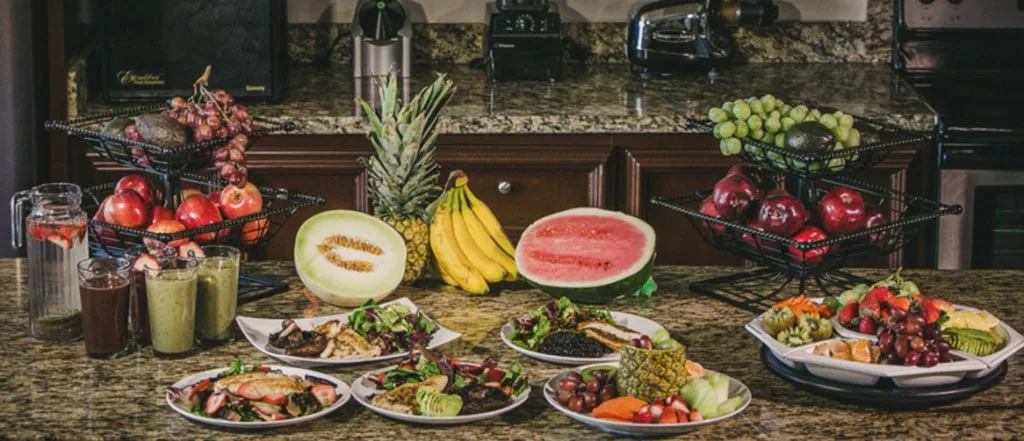
Organic superfood diet and juice cleanse protocol
EMF-shielded private suites with organic bedding and grounding pillows
This is not a vacation or a temporary escape. It is a luxury Holistic Healing experience that offers real, lasting transformation at the deepest level.
Here is a List of Our Holistic Healing Therapies
All Clients Will Receive:
- Daily Massage
- Daily Yoga
- Daily Reiki- Energy
- Healing
- Daily Hyperbaric Chamber Sessions- HBOT
- Daily IV drips (Proprietary Formulas, 3-5 hours per day- NAD+, Brain Repair, Glutathione, Amino Acids, Ozone, Chelation
- Private Master Suites
- Daily Dead Seas Salt Baths
- Daily Carbon Infrared Sauna Sessions
- Daily Red Light Therapy
- Comprehensive treatment that would reset the brain to a pre-addicted state
- No group meetings
- No medications
- Healing on the cellular level
- Non-addictive and nontoxic treatment
- Daily Access To The GYM
- Beachfront Amenities
- Treatment that reverses damage to the body from medication, alcohol, and drugs
- Real treatment for reversing negative thinking and getting on track psychologically
- Inspiration and empowerment
- Different types of massage
- Cold-pressed raw organic juice cleanses
- Fresh Organic Meals 90% Raw Food Diet 100% Organic 100% Non-GMO (Proprietary)
- Organic Superfood Juices/Shakes (Proprietary)
Our Platinum Package Holistic Healing Program May Include
- PRP Plasma Therapy (1-3 rounds)
- Adipose Stem Cell Treatment (1-3 rounds)
- Adult Cells Umbilical Cord Stem Cell Therapy (1-3 rounds)
- Bone Marrow Stem Cells (1-3 rounds)
- Immune Booster IV (1-3 rounds)
- Growth Factor IV (1-3 rounds)
- Live Cells Therapy IV (1-3 rounds)
- Fresh Cell Therapy (1-3 rounds)
- Thymus Gland Repair Treatment (1-3 Rounds)
- NK Natural Cancer Killer Cells “Cancer Cure/Prevention” (up to 8 rounds)
- Ozone Therapy (IV Ozone, Ozone Blood Purification Cleanse) 5-10 sessions
- Exosome Cell Treatment RNA DNA Repair IV injection (1-3 rounds)
- Holistic Biological Dentistry- Replacement/ Removal of Toxic Dental Work and Mercury Fillings
The Luxury Holistic Healing Experience
From the moment you arrive, you’ll understand why we’re considered the premier destination for luxury Holistic Healing in the world. Nestled on a pristine oceanfront cliff, our five-star sanctuary offers private master suites with ocean views, marble soaking tubs, detoxifying Himalayan salt lamps, and custom aromatherapy diffusers.
Every detail of your stay is designed to support your healing. From personal chefs serving 100% organic, GMO-free meals to full-service hospitality and concierge staff, your comfort and peace are our top priorities.
What separates our facility from other Holistic Healing retreats is not just the ambiance or the location—it’s our relentless pursuit of excellence in scientific innovation and ancient plant medicine mastery. Our protocols are medically supervised, data-driven, and developed with over 15,000 hours of clinical healing experience. This is the only center in the world where such a wide range of therapies, modalities, and treatments converge under one roof in a luxurious, safe, and sacred space.
Now is the time to act. Call us and let us heal you!
Call Now! (310)-601-7805
Why Our Holistic Healing Center Treatment Succeeds Where Others Fail
Most healing centers focus on coping skills or temporary relief. But Holistic Sanctuary is committed to eliminating the root causes of suffering at the cellular and spiritual levels. Our luxury Holistic Healing system uses a unique trifecta:
Holistic Healing Modalities: 100% natural, ancient therapies like sacred plant medicine, vibrational therapy, and energy healing.
Cutting-Edge Medical Therapies: Proprietary IV drips, hyperbaric chambers, genetic testing, and advanced diagnostics.
Luxury Lifestyle Immersion: A five-star healing environment that activates the parasympathetic nervous system, accelerating recovery.
This comprehensive and all-encompassing approach results in true healing—not just symptom suppression. That’s why we’re trusted by those with the most complex cases and highest expectations, from high-net-worth individuals to celebrities and global influencers.
Our Holistic Healing Center treatment has successfully helped thousands of clients heal from:
Depression and anxiety
PTSD and trauma
Substance dependence
Chronic stress and adrenal burnout
Neurological and autoimmune conditions
Medication-resistant mental illness
Natural Organic Healing Center in 5-Star Conditions
Join the World’s Most Transformational Holistic Healing Retreats
Holistic Sanctuary isn’t just a healing center—it’s a sacred temple for transformation. As the leader in luxury Holistic Healing, our purpose is to return you to your natural state of health, clarity, and vitality. With an unparalleled healing protocol, breathtaking setting, and a proven 90% success rate, we stand as the most advanced and effective Holistic Healing Center treatment on the planet.
When you’re ready to step beyond outdated systems and embrace radical healing, Holistic Sanctuary will be here to welcome you home. Our Holistic Healing retreats are not just life-changing—they are life-saving.
Find the Best Holistic Health Treatment Centers in the World
Holistic Healing for The Mind, Body, And Soul
At Holistic Sanctuary, we provide comprehensive healing for a wide range of addictions, including alcohol, heroin, oxycontin, suboxone, methadone, benzos, cocaine, crack, and methamphetamines.
Our approach to healing addiction is centered around all-natural and alternative treatments. The process begins with a thorough medical examination to identify the underlying cause of your addiction. We then proceed to safely cleanse your body, eliminating parasites, toxins, medications, and drugs. Utilizing a combination of treatment modalities, we work to repair and reprogram the brain. Our unique Pouyan Method, coupled with the use of plant medicine, aids in restoring the immune system and addressing emotional trauma and PTSD. Additionally, we activate stem cells within the body to accelerate natural healing processes.
Holistic Health And Healing, Best Holistic Healing Centers
To ensure long-lasting recovery, we emphasize a complete, holistic lifestyle change. This includes incorporating organic foods, daily exercise, meditation, and more into your daily routine. As a result of our comprehensive approach, our clients emerge from our facility free from depression, anxiety, PTSD, and medication dependency. They are equipped with the tools and knowledge necessary to maintain their newfound health and wellness in the long term.
What Makes Our Holistic Healing Center Treatment Different?
Our model is based on a fully integrated, 360-degree healing system that targets every layer of your being—emotional, physical, neurological, energetic, and spiritual. Our one-on-one, immersive programs combine Eastern medicine, Western innovation, and sacred plant-based traditions in ways that no other center in the world offers.
Full List of Therapies Offered at Holistic Sanctuary (Health Benefits)
1. Brain Repair IV Drip Therapy
A proprietary infusion of amino acids, vitamins, peptides, and neuro-regenerative nutrients.
Benefits: Reverses neurochemical imbalances, resets GABA, serotonin, and dopamine receptors to a pre-addicted state, promotes mental clarity, reduces anxiety and depression, and aids in medication detoxification.
2. Hyperbaric Oxygen Therapy (HBOT)
Clients breathe 100% oxygen inside a pressurized chamber.
Benefits: Increases oxygen delivery to the brain and tissues, accelerates wound healing, supports neurogenesis, reduces inflammation, improves cognitive function and energy.
3. Red Light Therapy
Photobiomodulation stimulates healing through red and near-infrared light.
Benefits: Reduces inflammation, improves circulation, boosts collagen production, enhances brain function, improves sleep and mood regulation.
4. Infrared Sauna Therapy
Gentle heat therapy using far-infrared light.
Benefits: Detoxifies heavy metals and environmental toxins, improves circulation, supports lymphatic drainage, reduces stress, and enhances mitochondrial function.
5. Plant Medicine Therapies
We are the only licensed Holistic Healing Center in the world offering safe, medically supervised use of:
Ayahuasca – Spiritual healing and trauma release
Ibogaine – Rapid detox from addiction and deep trauma reset
DMT – Access to subconscious healing and ego dissolution
Psilocybin – Neuroplasticity enhancement and mood regulation
Benefits: Releases stored trauma, facilitates forgiveness and emotional breakthroughs, opens the heart and mind, and rewires old patterns through neurogenesis and introspection.
6. NAD+ IV Therapy
Nicotinamide adenine dinucleotide delivered intravenously.
Benefits: Restores energy production at the cellular level, supports DNA repair, slows aging, reverses damage from stress, alcohol, and medications, and enhances brain regeneration.
7. Massage Therapy (Deep Tissue, Craniosacral, Reflexology)
Hands-on manipulation of muscles and energy pathways.
Benefits: Relieves muscular tension, improves lymphatic drainage, balances the nervous system, supports emotional release, and activates the vagus nerve for deep healing.
8. Yoga Therapy
Custom 1-on-1 yoga practice tailored to your physical and emotional needs.
Benefits: Enhances flexibility, calms the nervous system, supports detoxification, promotes body awareness, and integrates plant medicine experiences.
9. Sound Bath & Frequency Healing
Healing through vibration, tuning forks, singing bowls, and gongs.
Benefits: Restores energy field coherence, reduces anxiety, improves sleep, and facilitates emotional balance and chakra alignment.
10. Breathwork & Meditation Training
Guided breath patterns and mindfulness techniques.
Benefits: Increases oxygenation, reduces cortisol, promotes emotional release, enhances mental clarity, and connects body and mind.
11. Colon Hydrotherapy & Detoxification Protocols
Internal cleansing of the large intestine.
Benefits: Eliminates toxins, parasites, and impacted waste, improves digestion, boosts immunity, and enhances mental sharpness and clarity.
12. Cold Plunge Therapy
Quick immersion in ice water.
Benefits: Resets the nervous system, improves resilience to stress, enhances circulation, and reduces inflammation.
13. Organic Superfood Juice Cleanse & Gourmet Healing Diet
100% organic, non-GMO, gluten-free, soy-free, and dairy-free meals, juices, and broths.
Benefits: Detoxifies the liver and blood, balances hormones, supports mitochondrial health, improves gut microbiome, and fuels neuroregeneration.
Our Luxury Accommodations: Five-Star Healing, Inside and Out
Healing is not just what happens in a treatment room—it’s your entire daily environment. As the world’s only luxury Holistic Healing retreat on a private oceanfront estate, we’ve designed every detail to support deep healing.
Private Ocean-View Master Suites – With floor-to-ceiling windows, marble soaking tubs, organic bedding, and EMF-free environments.
Grounding Pillows & EMF Shielding – Protect your nervous system and promote deep, restorative sleep.
Healing Architecture – Sacred geometry and energy-enhancing layouts amplify the effect of every therapy.
On-Demand Staff & Housekeeping – Five-star concierge care tailored to your needs.
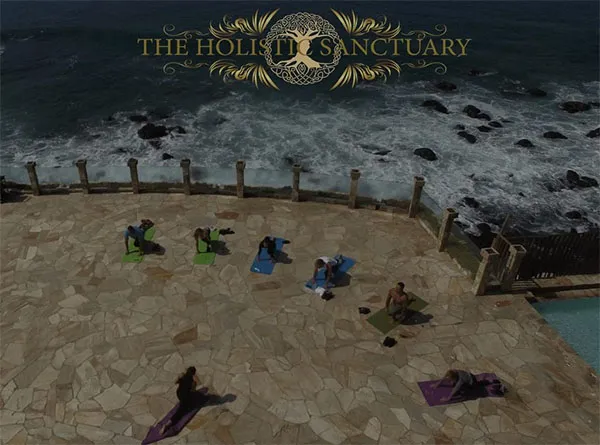
Oceanfront Yoga Decks, Saltwater Pools, and Spa Areas – Seamlessly integrate nature and healing.
This is true luxury Holistic Healing, where every element contributes to your transformation.
Why Holistic Sanctuary is the #1 Holistic Healing Center in the World
We’re not just another retreat or spa—we are a licensed medical facility offering the most comprehensive, advanced, and luxurious Holistic Healing Center treatment in existence. Our 90% success rate is no accident—it’s the result of 14 years of clinical refinement, 50,000+ hours of treatment, and a mission rooted in personal passion and purpose.
100% natural therapies
No prescription medications
No group therapy
No talk therapy
No gimmicks
Just results.
Join the Most Powerful Holistic Healing Retreats in the World
If you’re searching for Holistic Healing, Holistic Healing Center treatment, or a luxury Holistic Healing retreat, we invite you to experience the unparalleled transformation that only Holistic Sanctuary can provide.
Whether you’re struggling with medication dependence, trauma, depression, chronic illness, or a lack of meaning and vitality in your life—this is your solution. At our sanctuary, you are not treated like a patient. You are treated like family.
Posted on YelpVerified I'd give it 11 stars if I could. This week I will celebrate 10 years clean thanks to Johnny Tabaie and his staff at the Holistic Sanctuary. I dreamed of what it was that I needed and I just couldn't believe it actually already existed when I found and connected with The Holistic Sanctuary online. I tried everything else and I knew what I needed , but Johnny held the container and had it so perfected because that's what he does , he's 1000% committed to doing it correctly and cutting no corners. I am available anytime to share more personally my experience with The Holistic Sanctuary. I am Forever Grateful to Johnny TabaiePosted on YelpVerified I arrived at Johnnys clinic in need of mental, physical and spiritual help. My poor mental health had let me down a rabbit hole throughout my teens and early twenties and I had exhausted every available source of bettering myself, ie, traditional therapy, medication, healthy routines etc etc. I was at rock bottom at the age of 23! And I thank god everyday I managed to find Johnnys clinic through friends who had gone there and had a life changing experience. I was there for an over a month and it was not easy! Being away from my life, sitting with the reality of where my decisions had taken me was extremely painful but I trusted the process and knew it would all pay off. Johnny tailors a specific day to day schedule for every guest at the sanctuary. This includes, yoga, massages, creative activities, and of course the plant medicine! This is all taking place in one of the most beautiful parts of the world, you're healed by the sanctuary but also by the nature surrounding you. The team looking after you are angels! There is someone to help and support you 24/7, you always feel safe and cared for in the sanctuary. The facilities themselves are nothing by 5* quality. Everyone has their own privacy so you can go through your process in a very undisturbed way. The plant medicine is the apex of the time spent at the sanctuary, and after 8 years I still speak about it magic, life changing effects. It operates on a spiritual and neurological level, it's impossible to describe the process but when you're done, you come out as the best possible version of yourself. My life continues only to improve since my life at the Sanctuary, I came in too scared and anxious to even think about tomorrow and today I'm working in one of the top Universities in the world and running my own business. I owe Johnny, the team and the sanctuary so much to be where I am today! Thank you!Posted on YelpVerified If you are looking for an actual life changing experience and not just 28 days of some program that has a 20% success rate- this is YOUR place! A full service, luxury wellness center catered to YOUR specific needs! This is not a one size fits all program! If you're looking to get healthy both mentally and physically and rid yourself of toxic things please reach out to Johnny. Johnny and his staff run a world class facility and aid in helping people achieve the life they always wanted but could never obtain through traditional treatment centers. This place is a must for anyone that is struggling or anyone at the end of their rope with traditional treatment facilitiesPosted on YelpVerified A very long search for a treatment center that would actually deliver real results for a family member ended here. I called the number and had a long and informative and candid discussion with Johnny, the owner. I feel like I was given the education I needed in the phone call to understand the approach they take here and how it is above and beyond what is offered elsewhere. Johnny's level pf enthusiasm and commitment is awe-inspiring. We had been down the road of conventional approaches before and they simply never stuck, or stuck but only for so long. I have always been a holistic minded person so concept of addressing things on ALL levels was not new but I really didn't understand the brain chemistry altering capabilities some of these treatments have. All I can say is, 6 months later, I thank God we discovered this place for my family member. He arrived at the Sanctuary in critical need of healing and came out, after 3 months, a totally reconnected person, healthy, ready to rebuild his life and spiritually alive. If you are considering this as an option I cannot recommend it enough. The staff was great at communicating with me, gentle, kind and compassionate. I wish this sort of treatment was more accessible to the masses. It is so very needed. Thank you Johnny for bringing this program of healing to the world.Posted on YelpVerified I went to this place about 4 years ago and I have to say that it is the real deal. I was a heroin addict for 10 years and after 15 rehabs and countless detox's I decided to give this place a try. Upon arrival I felt nothing but love and was treated like a human being not an object. I left that place truly healed. My family didn't even recognize me when I came back home. The food, the amenities, the staff are second to none. There is no place on earth like it. Since leaving, I have remarried the love of my life, and had two more beautiful girls. My life has never been better and that is all thanks to Johnny and the Holistic SanctuaryPosted on YelpVerified I'm not going to lie, staying here for 2 months and living a totally healthy lifestyle was the hardest thing I've ever had to do but they told me that when I got there. I was well take care of and given the best of the best to get me through what would have been a horrendous detox if I were anywhere else. I felt uncomfortable and sick sometimes but nothing compared to what it could have been. They keep you stable and constantly check your vitals as well as give you a chart to fill out so they can determine how you are feeling at all times. By the end of it all the staff is like your family and you your past is in the rear view mirror. I didn't know if I could do it at first but every time I wanted to throw in the towel I was given a talk they made me change my mind. 2 months of hard work for an eternity of happiness. If your life is in shambles and you're considering it then do it. Stop being in denial and get your mind body and soul back.. break the cycle and get out of the loophole. I know it seems impossible but it's not and I'm proof of that. If you commit yourself and do what they say the. You will succeed there is no ifs ands or buts.Posted on YelpVerified My family and I will forever be grateful to the holistic sanctuary for giving my son a second chance at life. In 2020 my son had concerns about his health. He had numerous auto immune issues, neurological symptoms that were affecting his day to day life and as a result began to struggle with addiction. After months of being pushed through the medical system he was told that there wasn't much more that could be done for him. This left us all feeling helpless and defeated. His symptoms grew more complex and debilitating to the point that he wanted to end his life. Our world crumbled! As painful as it was to hear and process my sons feelings, I have always walked with faith in God and I trusted and believed that it was NOT my sons destiny In between very discouraging doctor appointments he was continuously searching for alternate healing practices. This eventually led him to discovering the sanctuary. All I can say is what a blessing! Johnny and his team offered undivided support, care, compassion and patience in the 4 months of my sons stay at the sanctuary. Through their holistic therapies and sacred plant medicines my sons healing began and so did a transformation of mind, body and soul. Johnnys support and keeping the family updated throughout the 4 month period helped us regain hope and trust in humanity. He is a caring, compassionate human being with a passion, knowledge and gift to heal. Although the journey for my son has been a difficult one, today he is a walking MIRACLE. He's a testimony that with faith, perseverance, and trust anything is possible. "Trust, let go, and surrender" is johnnys motto Thank you to Johnny and the team at the holistic sanctuary. You are angels on earth. I will forever hold you dear to my heart for transforming my son to the best version of himself.Posted on YelpVerified There aren't enough words to express how blessed and grateful my family and I are to have discovered the Holistic Sanctuary for my brothers healing journey. Living in Canada, we were told there was nothing else that could be done to help him get well. As a family, we felt defeated and hopeless with our healthcare system. We started to explore some alternative therapies in the states, which led us to finding the Holistic Sanctuary. I thoroughly read about everything this place has to offer and instantly felt hopeful. Within minutes of an email inquiry, Johnny reached out to me personally and explained his method and what the sanctuary is all about. His energetic passion about wellness and the mind, body and soul connection was so uplifting and comforting, I knew in my heart that my brother needed to go. Given my brothers complexities, he stayed for a total of four months. These four months were no doubt the hardest four months he has ever had to endure, however these four months saved his life. Prior to him visiting, he was in debilitating pain from head to toe, his systems were shutting down and he was suicidal. Watching a family member deteriorate in pain and suffering is so crumbling. I thank God everyday for the transformation my brother has gone through at the Holistic Sanctuary, a place that is like no other in the world. Throughout his entire stay there, Johnny was so supportive in communicating with us on his progress. Johnnie will forever hold a special place in our families heart, he is an honest, compassionate and loving soul who genuinely cares about the well-being of humanity. To Johnny and the whole team that put up with and cared for my brother during his stay, we thank you from the bottom of our hearts.Posted on YelpVerified This place saved my life I was nearing cirrhosis of the liver at age 28 at Johny cured me. Then the ayahuasca ceremonies led me to what at the time was the most spiritual experience of my life. If your an addict, depressed, sick, ptsd this is the BEST place I know of!Posted on YelpVerified This is the most important place I have ever been in my entire life. This place completely saved my life and entirely trusting Johnny and the entire staff there my entire 2 month stay is what ultimately gave me my health and mind back. I had been to countless places in the United States to heal from PTSD and what seemed like insurmountable mental health struggles. I had been on over 40+ medications by these places and mental health providers and I was truly drying. Johnny not only worked with my family for years to answer their questions about the sanctuary before I even came, when I finally did go every single thing he had said about the healing possible at the sanctuary was able to come true. Going to this place without a doubt saved my life and also made it completely worth living and filled with joy, it healed my relationships with my family, it has given me my life back and my mind back in ways that me and my family did not think were ever possible. The program is not easy, and I did not want to listen to Johnny at first, but if you truly just follow everything he says and TRUST HIM, he will save your life and return you to yourself. Not to mention the staff is angelic and is so much more special than anything you could find anywhere else. I really felt loved by all of the staff my entire time there, they all became my family for life and they were also such a huge part of my healing. I think about this place every single day and am so grateful for the healing and insane amounts of happiness and stability and just inexplicable impact it has had on my life and I was only 22 when I went. I really did not trust this place would help me and resisted going for so long and kept devolving in treatment in the US. You can trust this place will save your life and change it in ways so outrageously unimaginable and all for the good. Please don't hesitate to reach out if you want to talk to someone about their experience. 561-523-6120. You are so so so so so beyond lucky if you get this healing.