Ibogaine Cost: How Much Does Ibogaine Cost?
August 23, 2026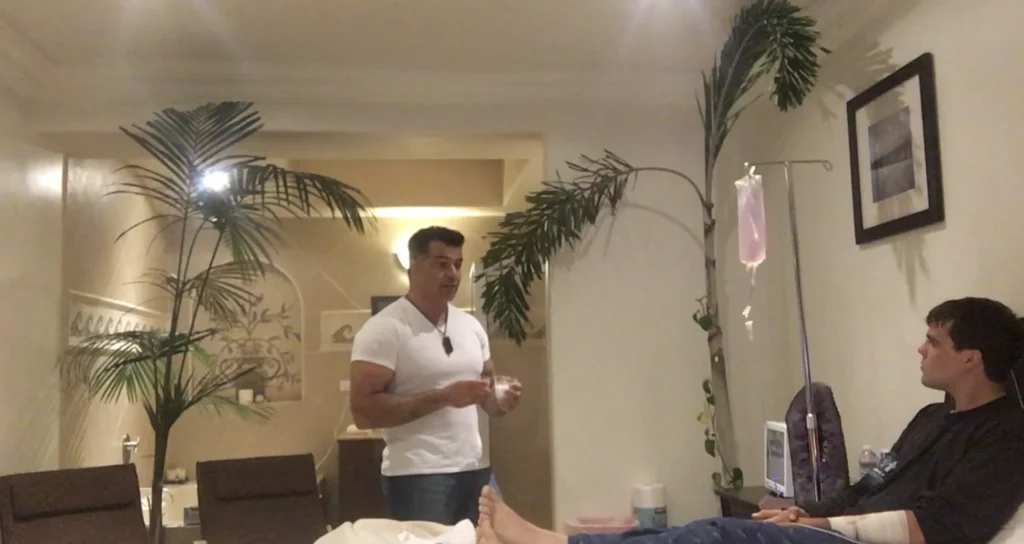
Where Texas Residents Go for Legal Ibogaine Treatment
August 23, 2026

Ibogaine FDA approval does not exist. Ibogaine is not FDA approved. It has no approved indication in the United States, it is classified as a Schedule I controlled substance, and it cannot legally be administered as a treatment on US soil. What has changed recently is not its approval status but the amount of public money moving toward the clinical research that approval would require.
This article explains where ibogaine actually sits in the FDA process, what Texas Senate Bill 2308 does and does not do, and what a realistic timeline looks like for families who are trying to decide whether to wait.

Is Ibogaine FDA Approved?
No. As of 2026, the FDA has not approved ibogaine for any medical use. The Drug Enforcement Administration classifies it under Schedule I, the category reserved for substances the agency considers to have no currently accepted medical use and a high potential for abuse.
Schedule I placement does not mean a substance has been studied and rejected. It means it has not completed the evidence pathway required for approval. Several substances have moved out of Schedule I after clinical research established safety and efficacy, and ibogaine research is now better funded than at any point in its history.
What Ibogaine FDA Approval Would Actually Require
Ibogaine FDA approval is not a decision. It is a sequence, and each stage takes years. According to the FDA drug development process:
| Phase | Participants | Typical duration | Advance rate |
|---|---|---|---|
| Phase 1 – safety and dosage | 20 to 100 | Several months | ~70% |
| Phase 2 – efficacy and side effects | Up to several hundred | Several months to 2 years | ~33% |
| Phase 3 – confirmatory benefit | 300 to 3,000 | 1 to 4 years | ~25-30% |
| Phase 4 – post-approval monitoring | Several thousand | Ongoing | N/A |
After Phase 3, a sponsor files a New Drug Application, which the FDA reviews before any approval is granted. Ibogaine presents an additional hurdle that most candidates do not: its effect on cardiac conduction means safety data will be scrutinized more heavily than for a typical psychiatric medication.
What Texas SB 2308 Means for Ibogaine FDA Approval
Texas has become the center of American ibogaine research. Senate Bill 2308, signed by Governor Greg Abbott, appropriated $50 million toward ibogaine clinical trials, with an additional $50 million available through a federal executive order signed in April 2026.
The state initially sought a private pharmaceutical partner willing to match the funding, pursue FDA approval, maintain a Texas presence, and share future revenue. No applicant met those terms, so Texas is proceeding with state-led trials. UTHealth Houston, partnering with the University of Texas Medical Branch at Galveston, leads a two-year study examining ibogaine in patients with addiction, traumatic brain injury, and behavioral health conditions.
What this means in practice: funded research, not available treatment. A clinical trial enrolls a specific number of participants who meet narrow criteria, and enrollment is not a route to care for most people. We cover this distinction in detail in our guide to ibogaine treatment in Texas and in is ibogaine legal.

A Realistic Ibogaine FDA Approval Timeline
Working from the FDA’s own published phase durations, a candidate entering Phase 2 today would face several years of Phase 2 work, one to four years of Phase 3, and a review period after that. Nothing about ibogaine suggests it will move faster than average, and its cardiac profile suggests it may move slower.
Designations such as Breakthrough Therapy can compress review timelines, and psychedelic-adjacent compounds have received them before. But a designation accelerates FDA engagement; it does not skip the trials. Families weighing whether to wait should plan on a horizon measured in years, not months.
Why Ibogaine FDA Approval Status Matters for Safety
Ibogaine FDA approval status is the reason the market looks the way it does. Because no US pathway exists, the entire field operates abroad, where oversight varies from rigorous national regulation to none at all. That variance is what families are actually choosing between, and it is why the questions worth asking are about screening and monitoring rather than about approval.
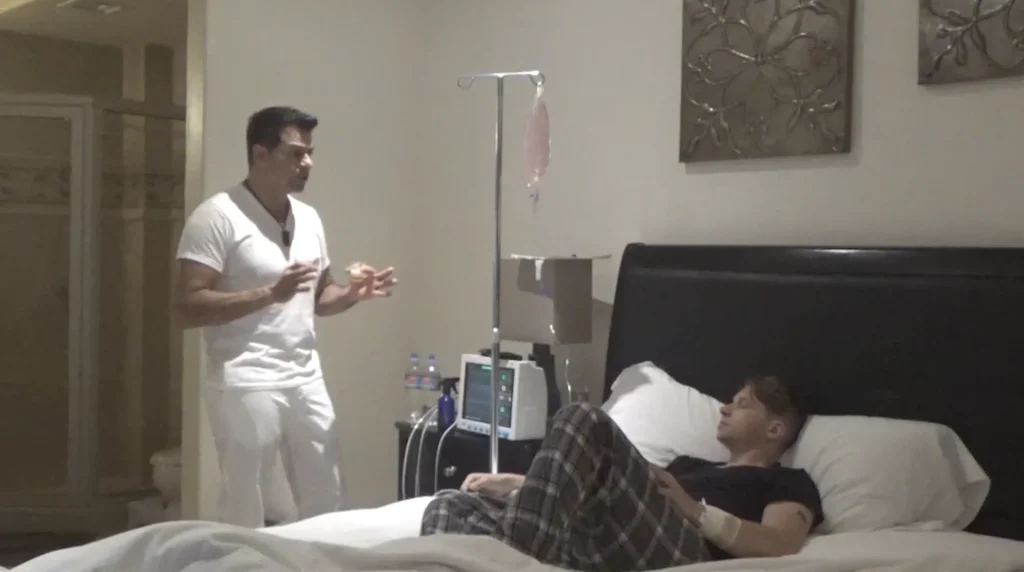
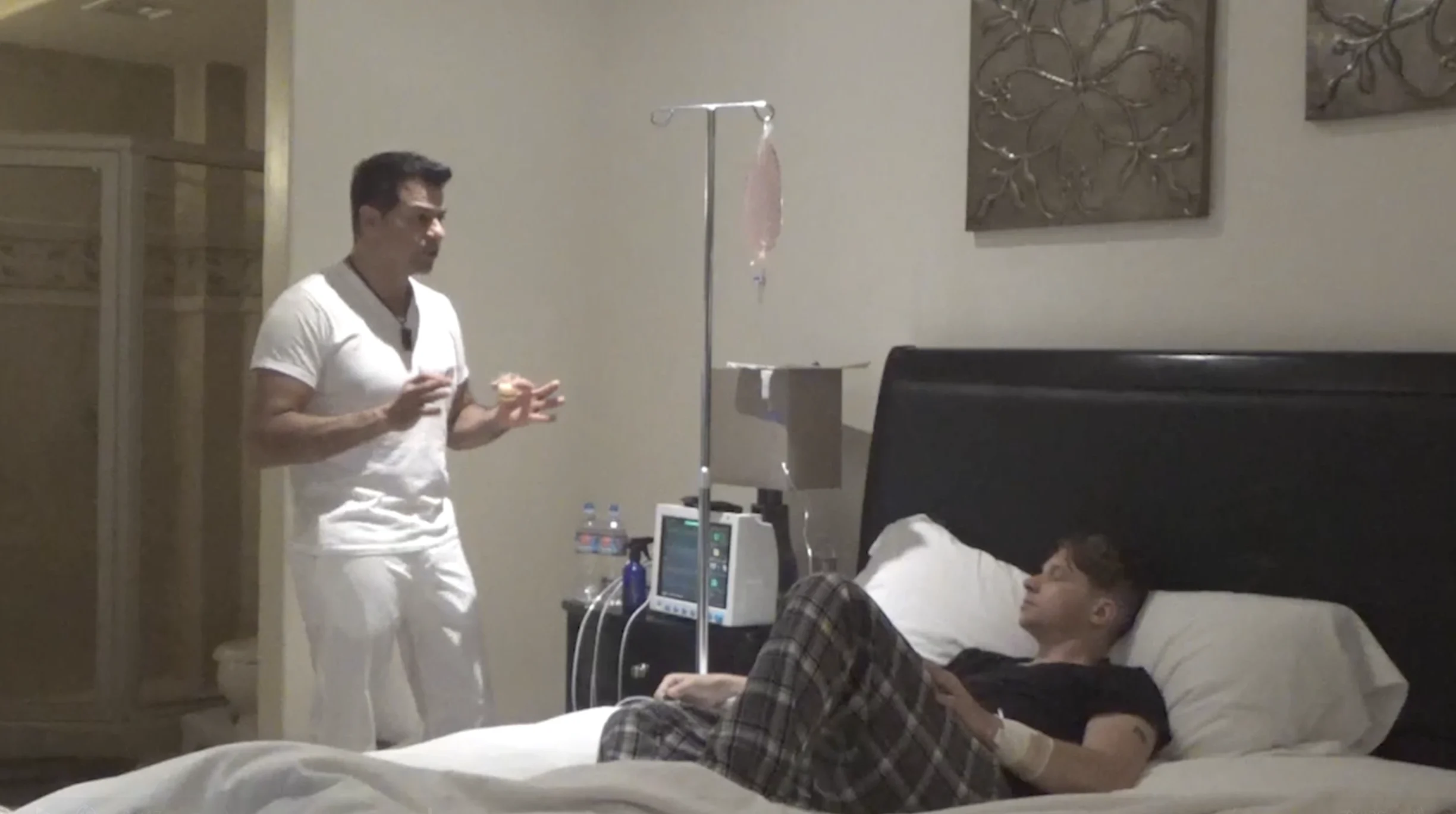
Cardiac screening before admission, continuous monitoring during the session, and a physician physically present are the safeguards that matter. Our guide to evaluating ibogaine treatment centers sets out how to verify each one, and our breakdown of ibogaine treatment cost explains why those safeguards are the largest line item in any legitimate program.
What Families Can Do While Ibogaine FDA Approval Is Pending
There are three realistic paths, and they are not equivalent.
Wait for ibogaine FDA approval. Appropriate if the situation is stable and the timeline is tolerable. It is not a decision to make casually when dependency is escalating.
Seek trial enrollment. Legitimate, free of charge, and highly restricted. Trials exclude most applicants on medical or diagnostic grounds, and participants may receive a placebo.
Pursue supervised treatment in a jurisdiction where it is legal. This is what most families ultimately do. It requires travel and it is not covered by insurance, but it is the only route that provides medical supervision today.
Frequently Asked Questions
Is there ibogaine FDA approval in 2026?
No. Ibogaine has no FDA-approved indication and remains a Schedule I controlled substance in the United States.
When will ibogaine FDA approval happen?
No ibogaine FDA approval date exists. Based on the FDA’s published phase durations, approval would realistically be several years away even under favorable conditions, and there is no guarantee trials will succeed.
Does the Texas $50 million mean ibogaine is legal there?
No. SB 2308 funds clinical research. It does not reschedule ibogaine or authorize treatment outside a trial protocol.
Can I join an ibogaine clinical trial?
Possibly, though eligibility is narrow. Trials publish inclusion and exclusion criteria, and cardiac conditions, polysubstance use, and certain psychiatric diagnoses commonly disqualify applicants.
If it is not approved, how is treatment legal anywhere?
Drug scheduling is national. Ibogaine is unscheduled or regulated as a prescription medicine in several countries, including Mexico and New Zealand, which is why licensed programs operate there under local medical oversight.
Continue Reading
- Is Ibogaine Legal?
- Ibogaine Treatment in Texas
- Where Texas Residents Go for Legal Ibogaine Treatment
- Ibogaine Treatment Cost Explained
- How to Evaluate Ibogaine Treatment Centers
- Ibogaine Treatment: Medically Supervised
This article is for educational purposes and is not medical advice. Holistic Sanctuary operates outside the United States under local medical licensure. Every plan is individualized following medical evaluation, and no outcome is guaranteed.